3D case study · Product visuals
Real bottles, real light. Masafi in 3D.

A self-initiated 3D library for Masafi. I built true-size masters of the water bottles and tissue packs from their production print files, then used them for lifestyle scenes, bundle renders, a truck wrap mockup and a 23-second film. Every image is rendered in Blender from geometry and light. None of it is AI-generated.
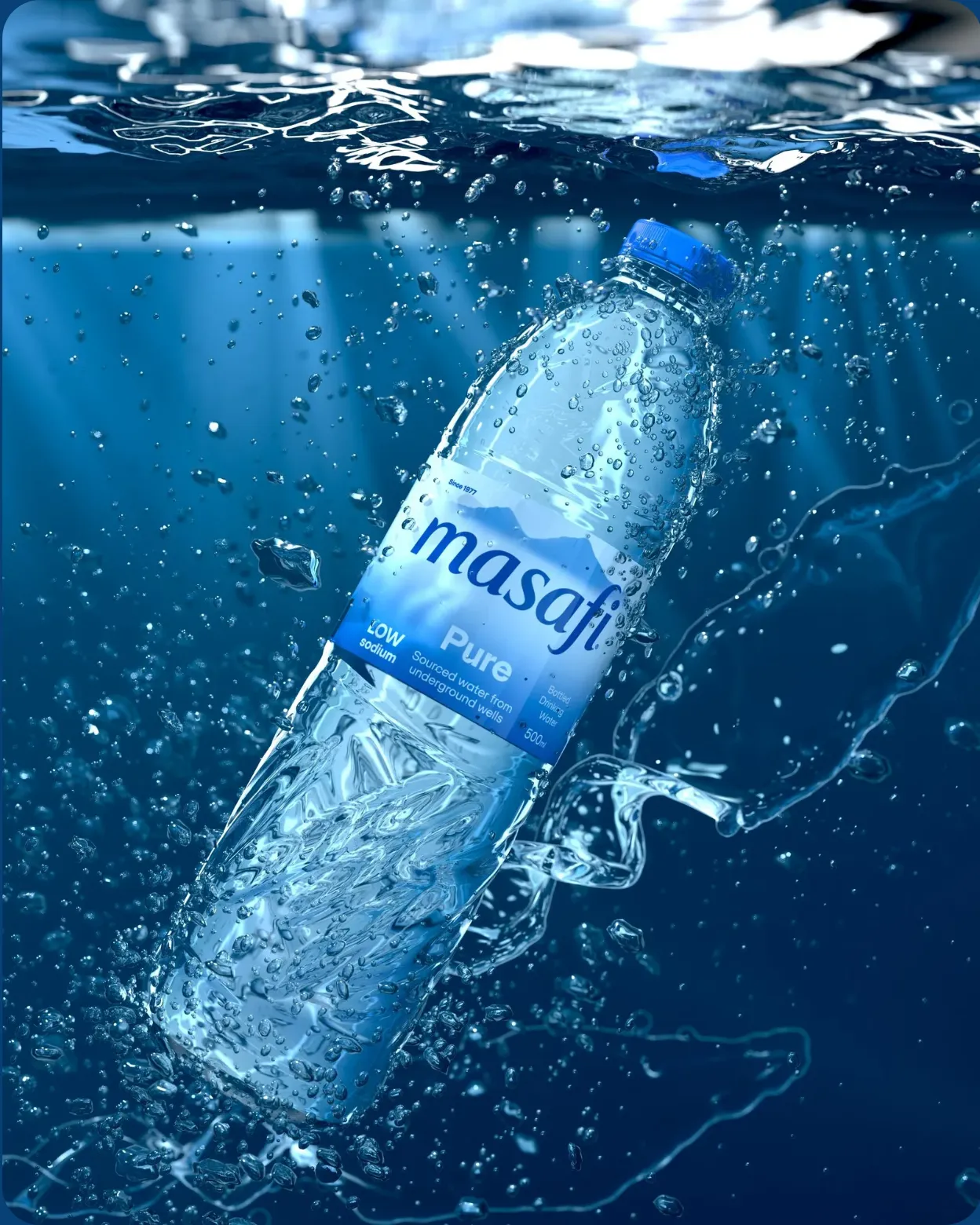
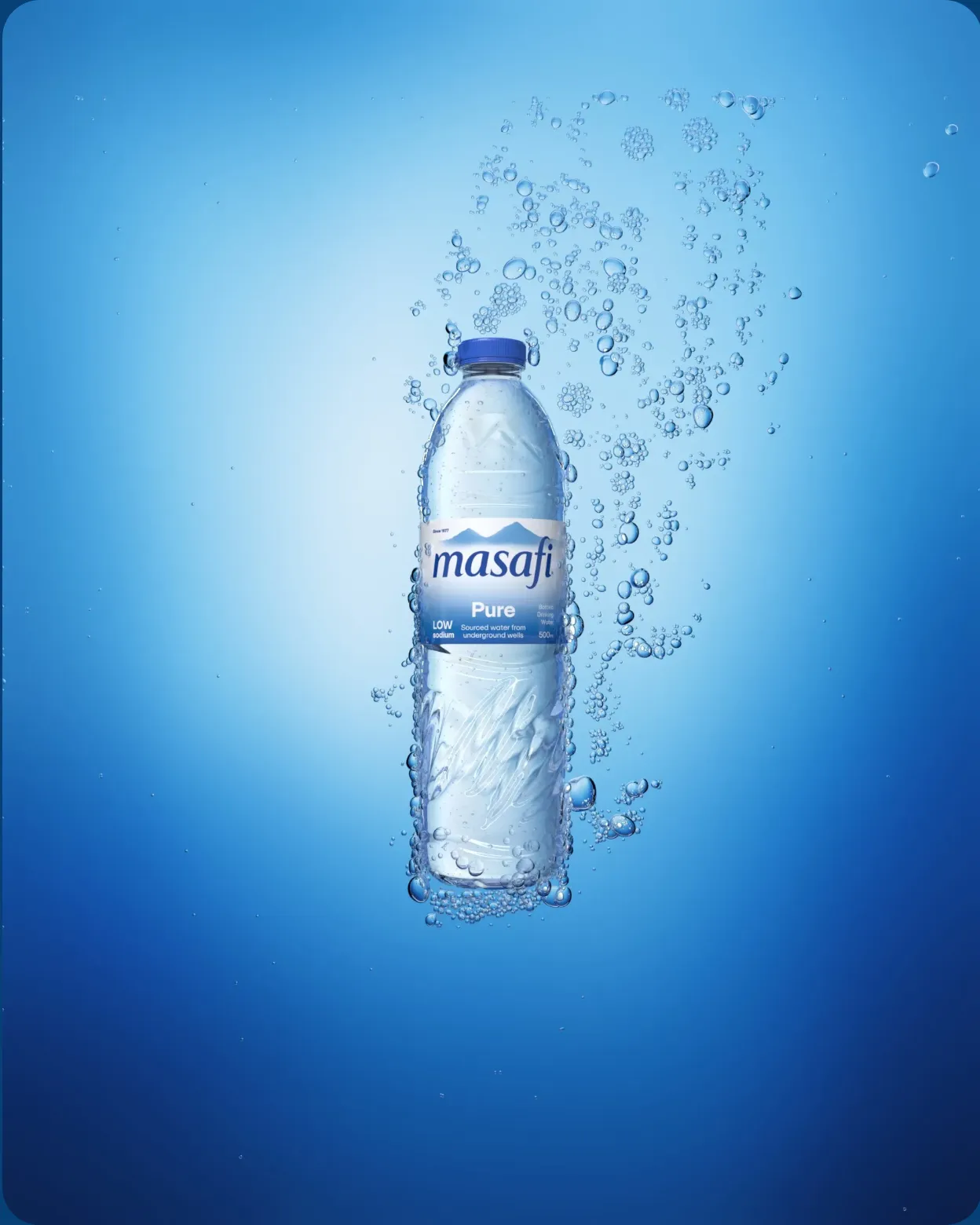
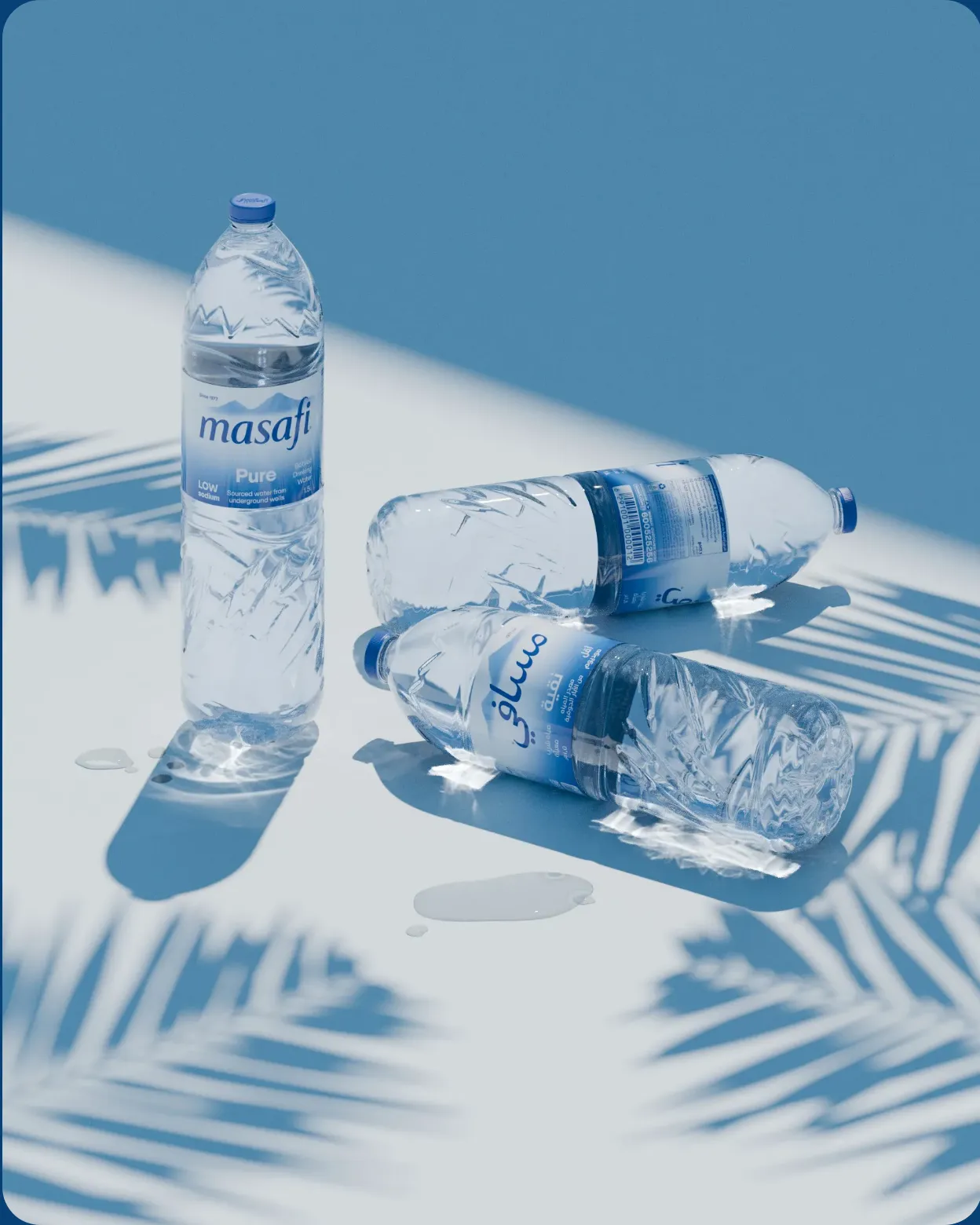
Underwater (500ml PURE) · Blue (500ml PURE, about 2,290 bubbles placed from a reference) · Palm Shadow (3 × 1.5L, sun through palm fronds with real photon caustics)
Best viewed on desktop
This case study is laid out for a large screen. Open it on a laptop or desktop to see every flow and screen.
View more workThe brief I set myself
Visuals that hold up at 400%, because they’re built like the real product.
- 01
Correct size
Every bottle and box starts from its print file. The label’s width minus the glue overlap gives the bottle’s diameter. Dieline PDFs give each box’s size and fold lines.
- 02
Real materials
PET has thickness, so each bottle has a separate 0.3 mm inner wall. Water is filled to the exact volume, and the light makes real caustics, not painted ones.
- 03
Built to reuse
One master file per product. Scenes, bundles and mockups start from the masters instead of a new model each time.
One rule: No Generative-AI images. AI helped me script the build. It didn’t make the pictures.
Featured · Motion
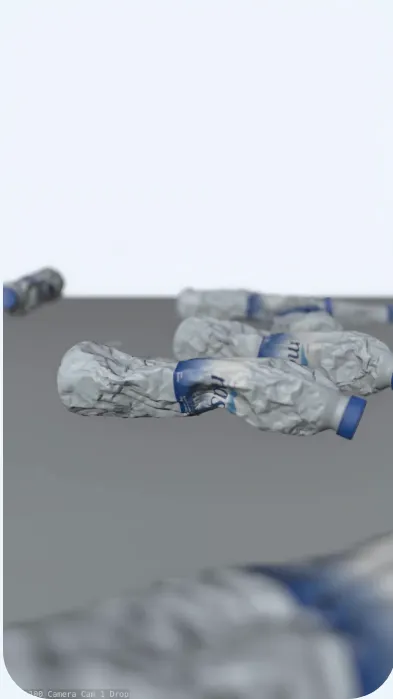
rPET 500ml Reveal: old bottles become a new one.
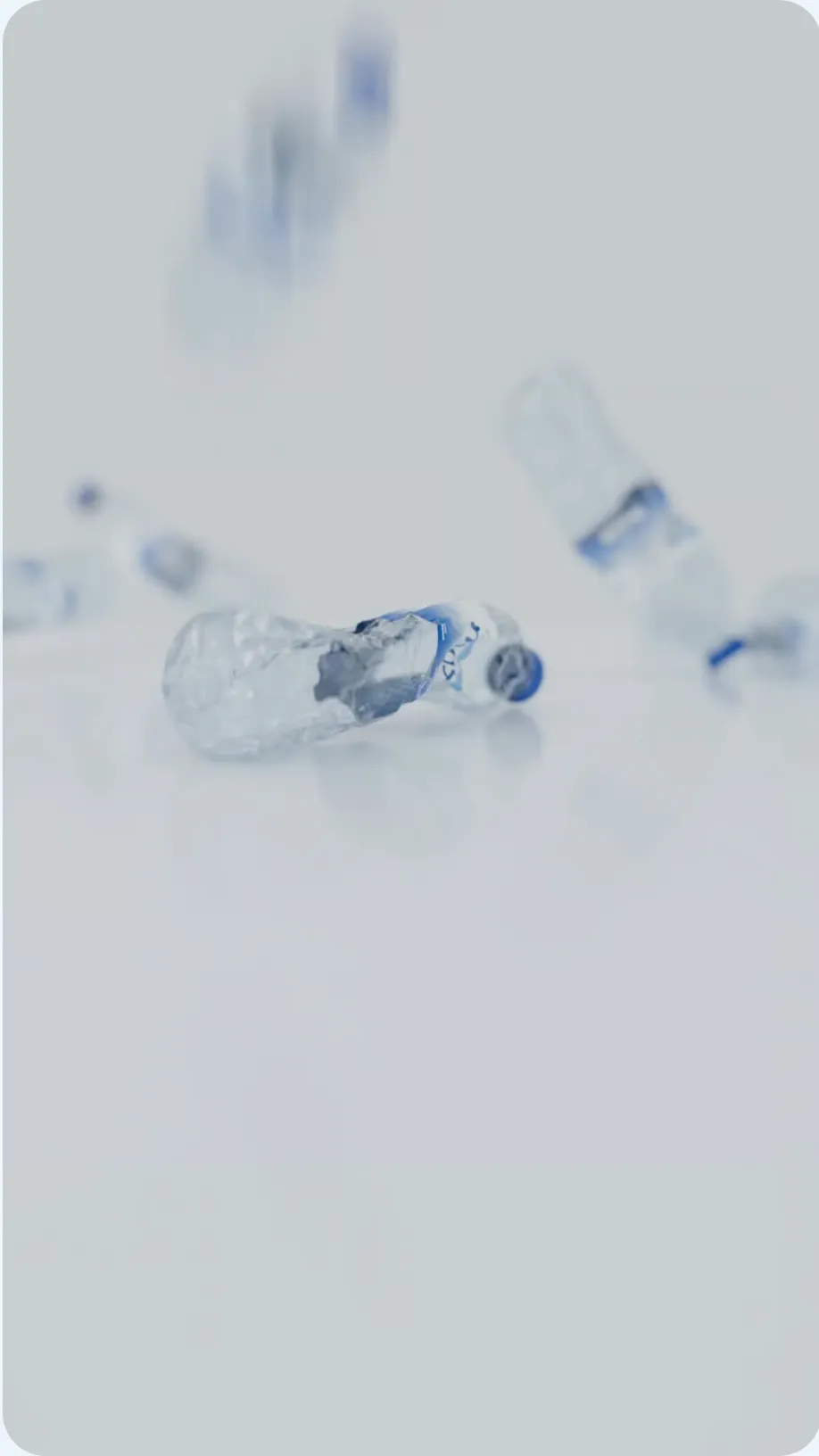
11 crushed bottles fall onto a surface that hinges open.
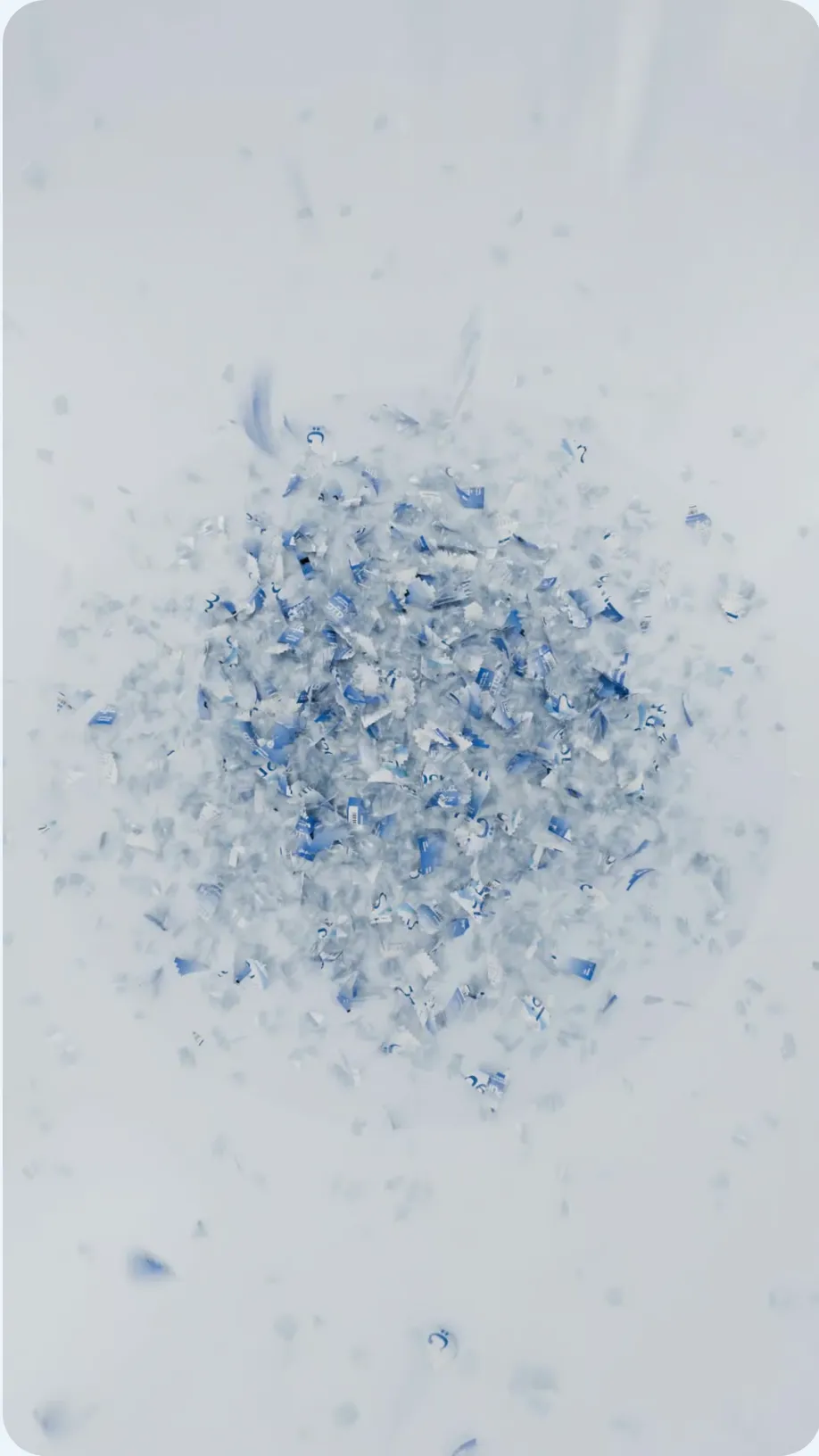
About 1,050 flakes, label shards and caps rain into a pile.
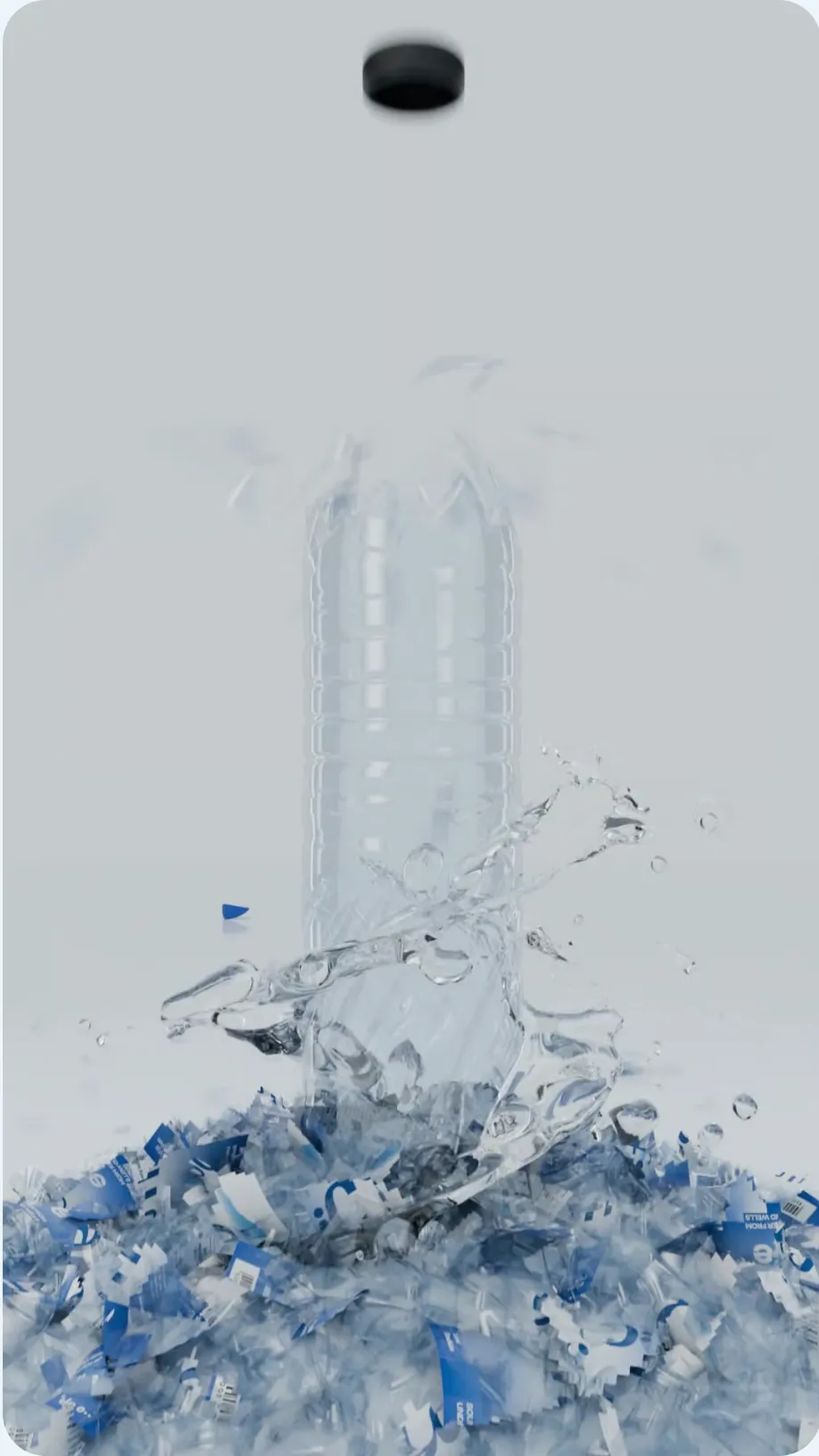
338 flakes fly back and unfold into the bottle wall. The black cap drops on.
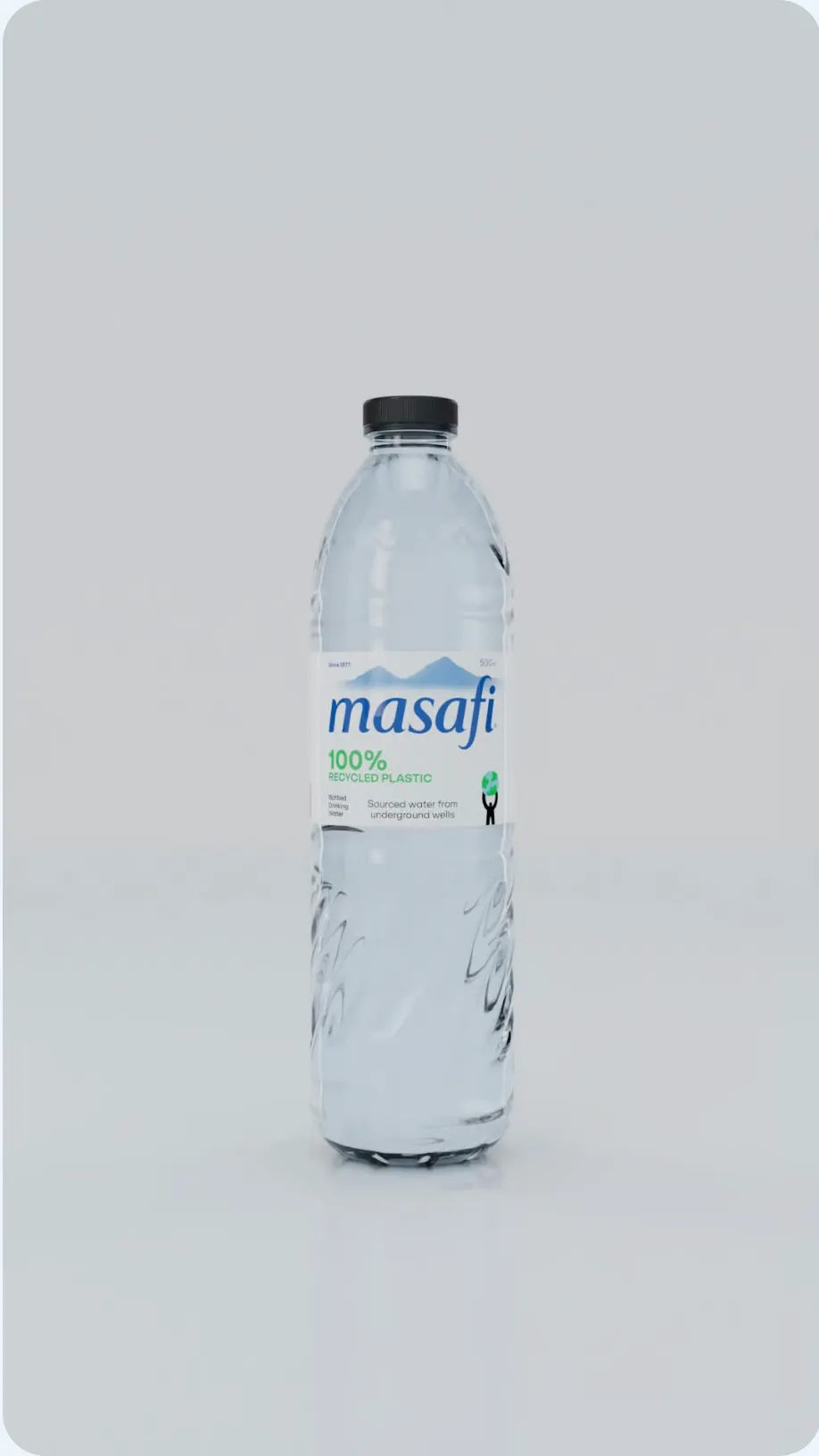
Label close-ups, a pull-out and a hold in a blue-white studio.
How I made it
- 01Storyboard
Four beats, timed to 700 frames.
- 02Build
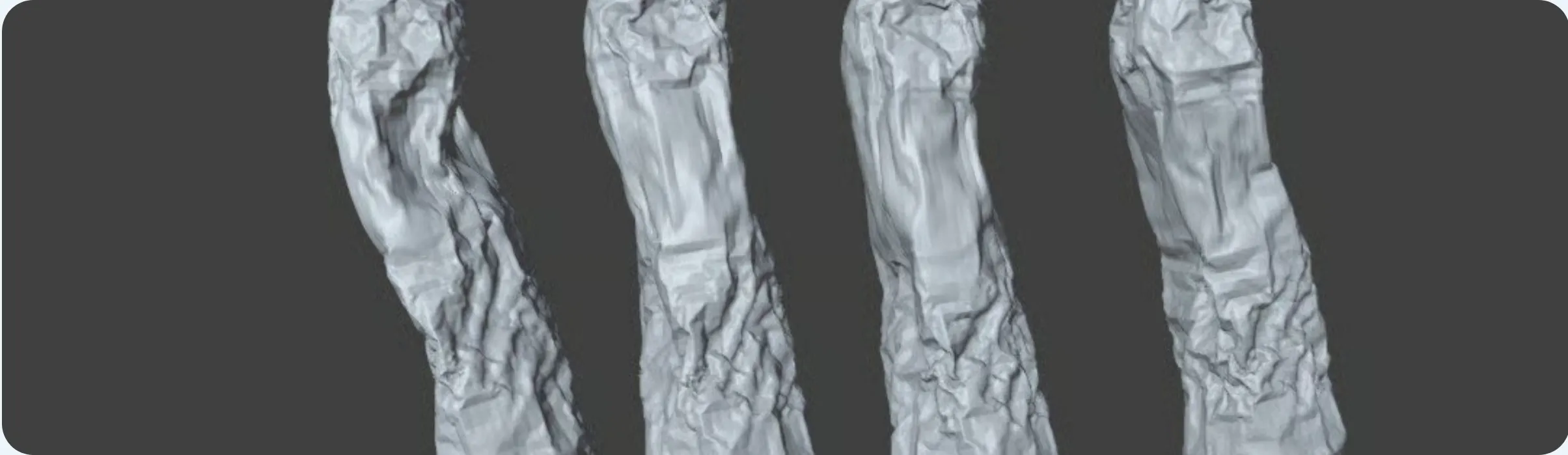
Cloth simulation on a coarse cage to crush the bottles, rigid bodies for the drop, Voronoi-cut flakes with a “fold” shape key, and Lazy Motion water spirals.
- 03Preview
A quick solid-view video to review timing before any lighting.
- 04Light test
Short Cycles renders of key frames to set the studio look.
- 05Final
A background render of all 700 frames, then encoding.
Stills · 7 scenes
One bottle, seven sets.
Each scene starts from a reference photo. I fit the camera from known heights and the horizon, then compare my render with the reference side by side until they match.
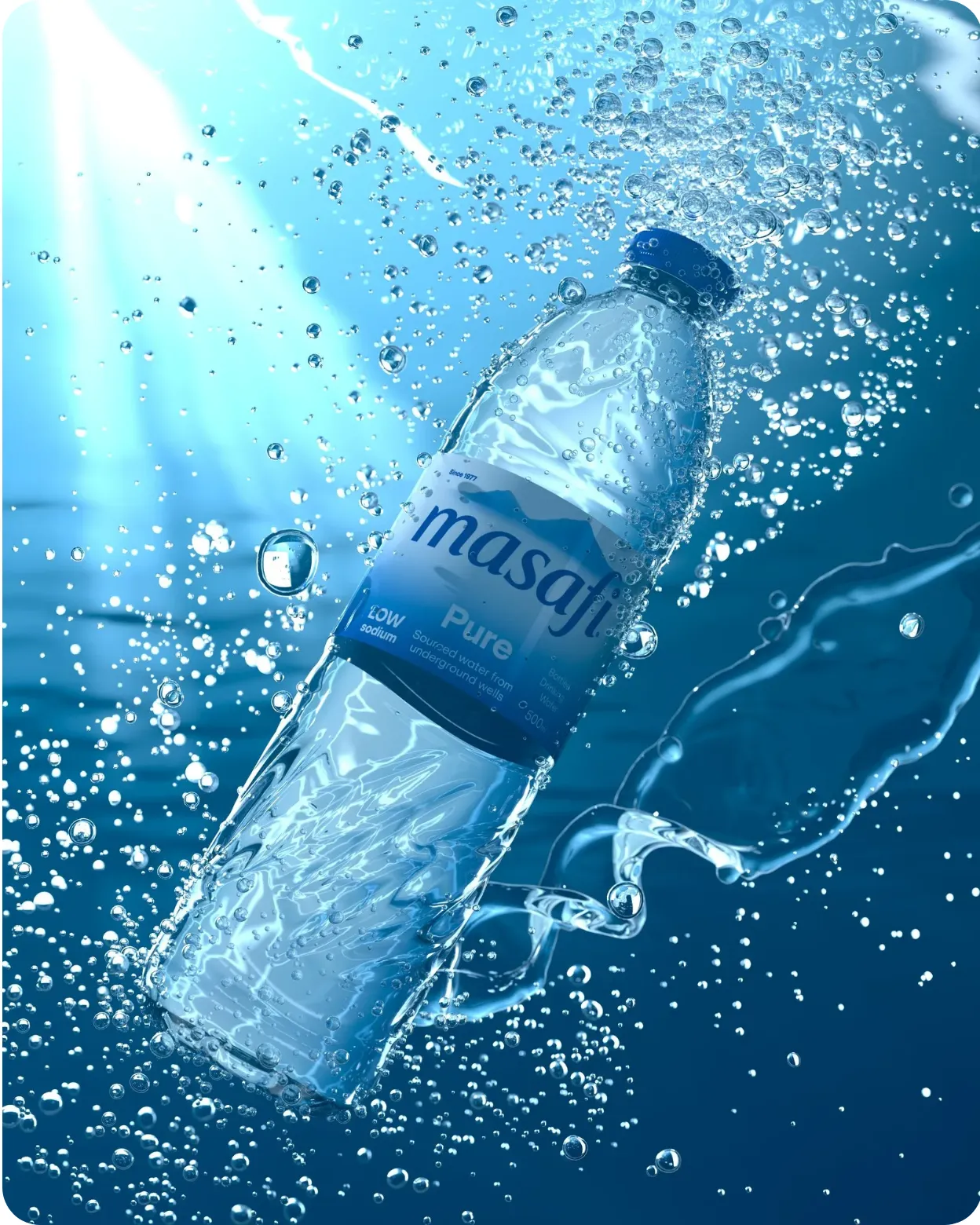
Full 3D: a water surface seen from below, god-ray cones, 3D bubbles and a water stream.
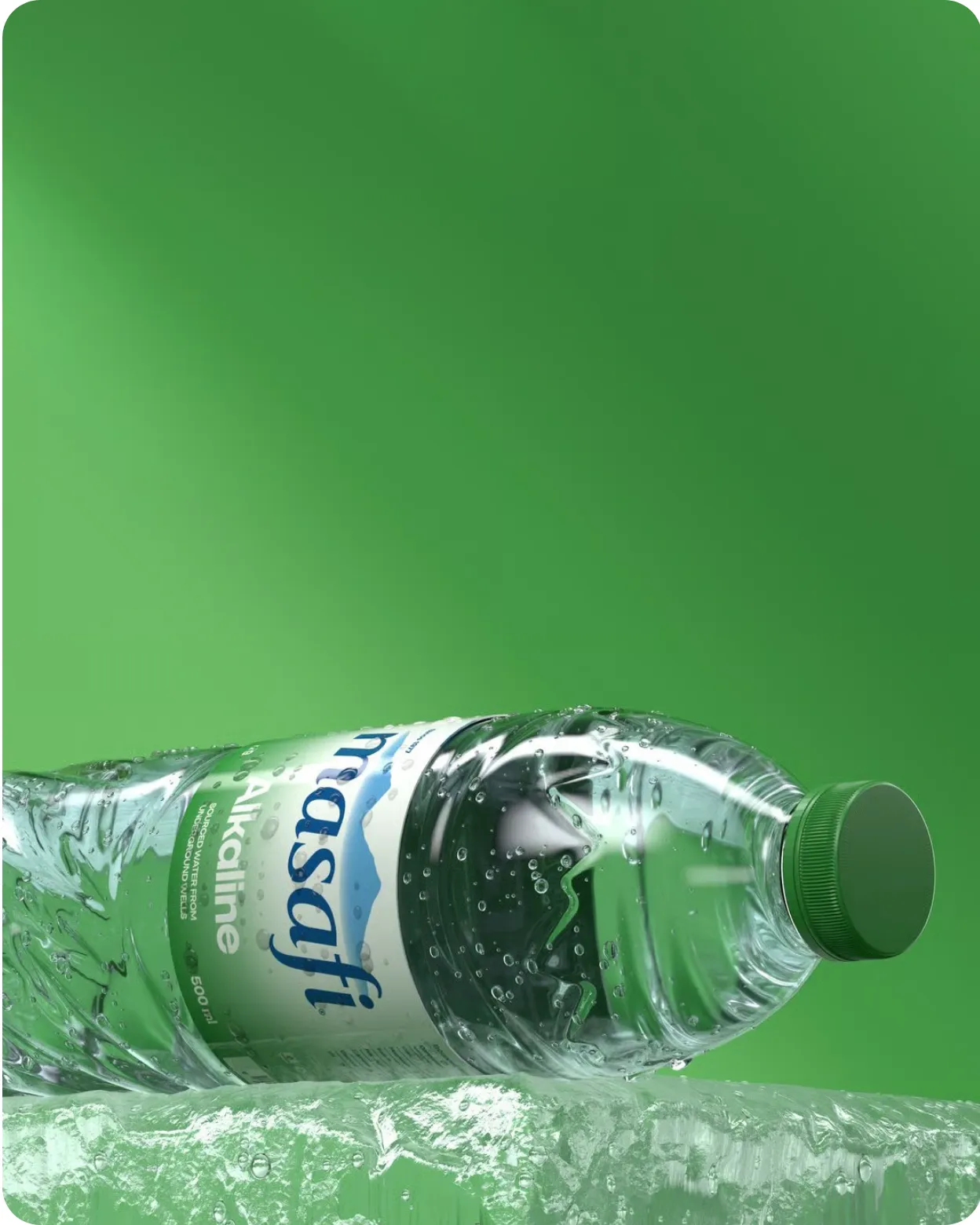
A hand-modelled ice slab with about 1,850 condensation droplets on a green backdrop.
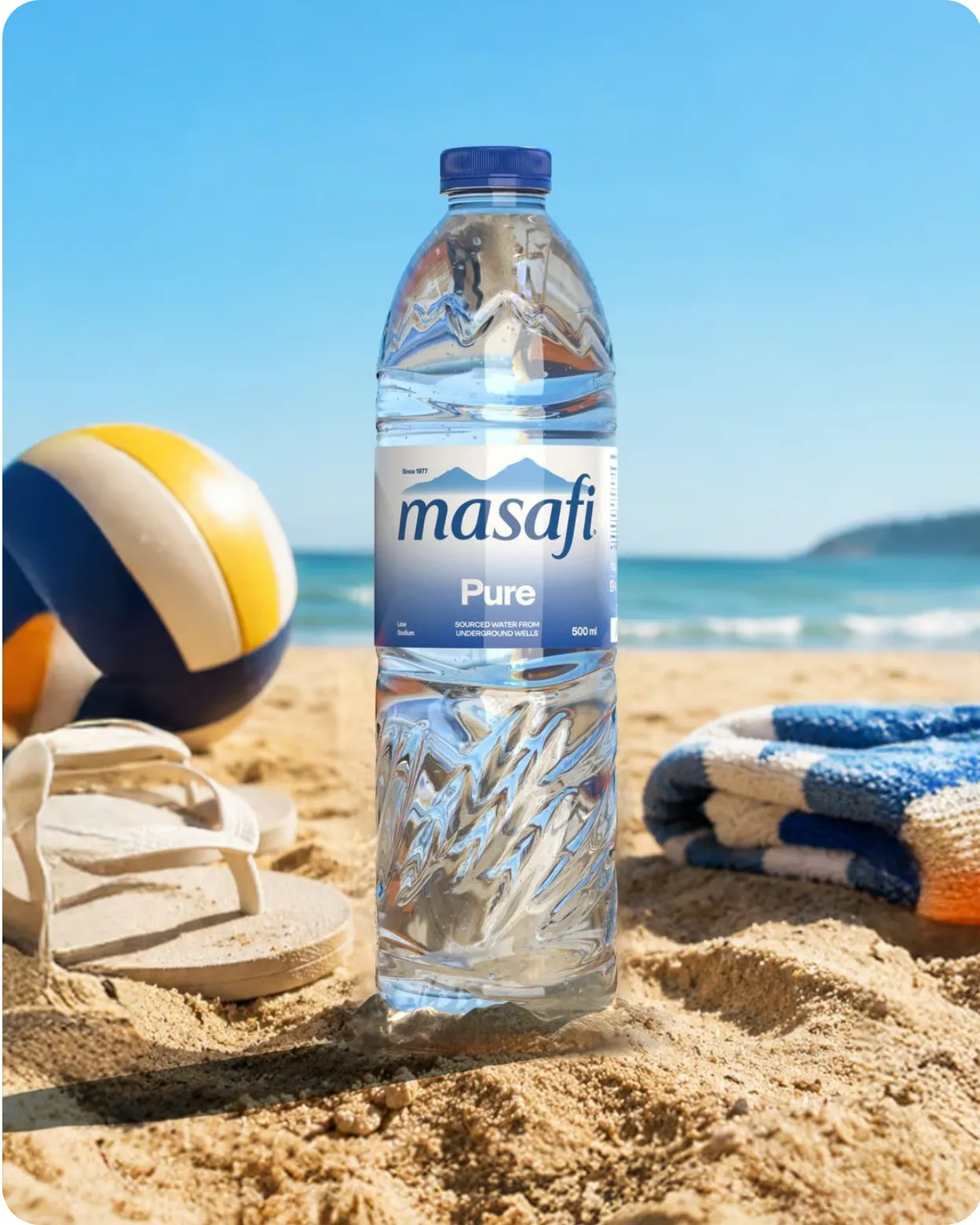
A photo backplate with camera-projected ground, a shadow catcher and a sand contact ring.
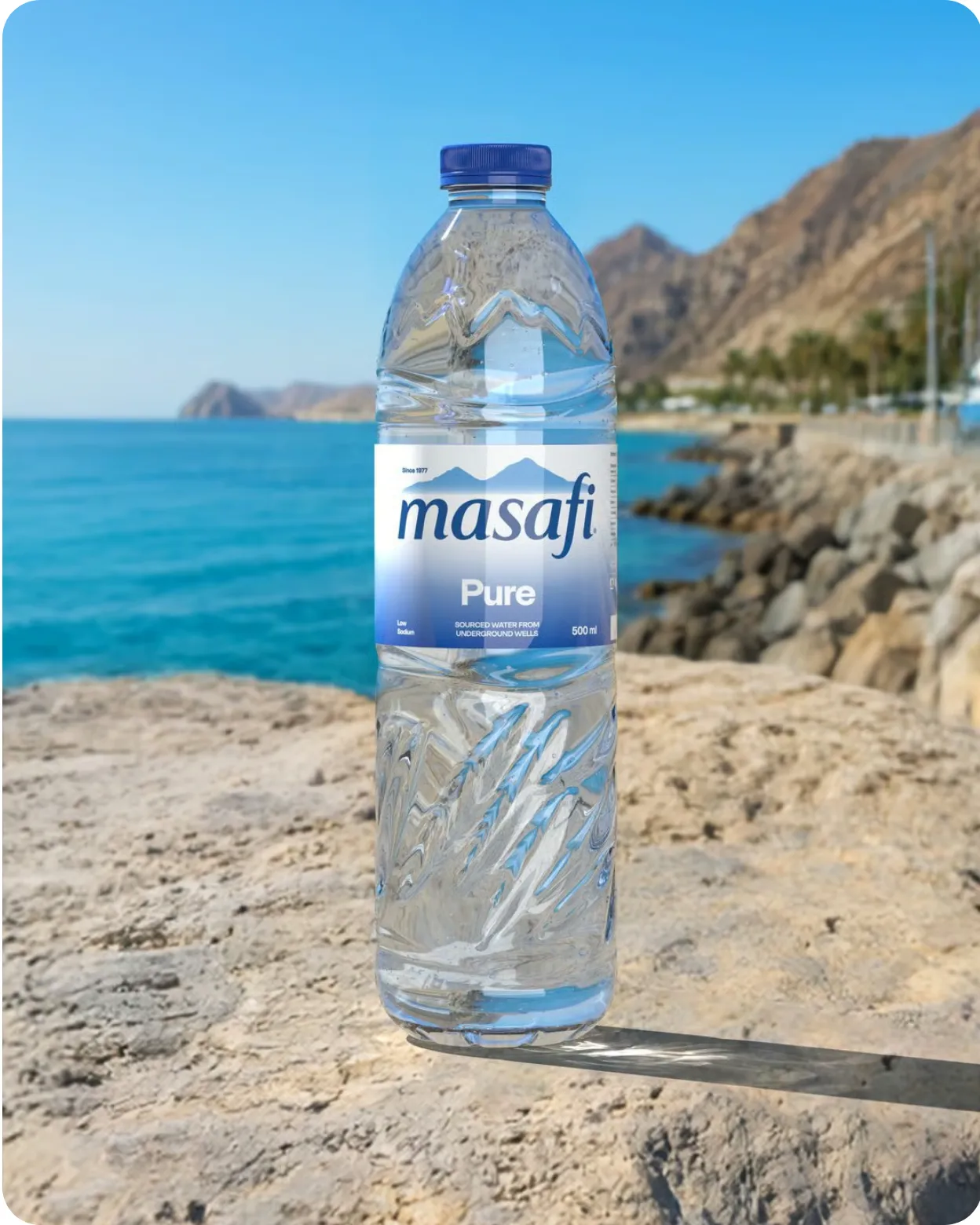
The same backplate method on a rock. I cleaned the plate in Photoshop.
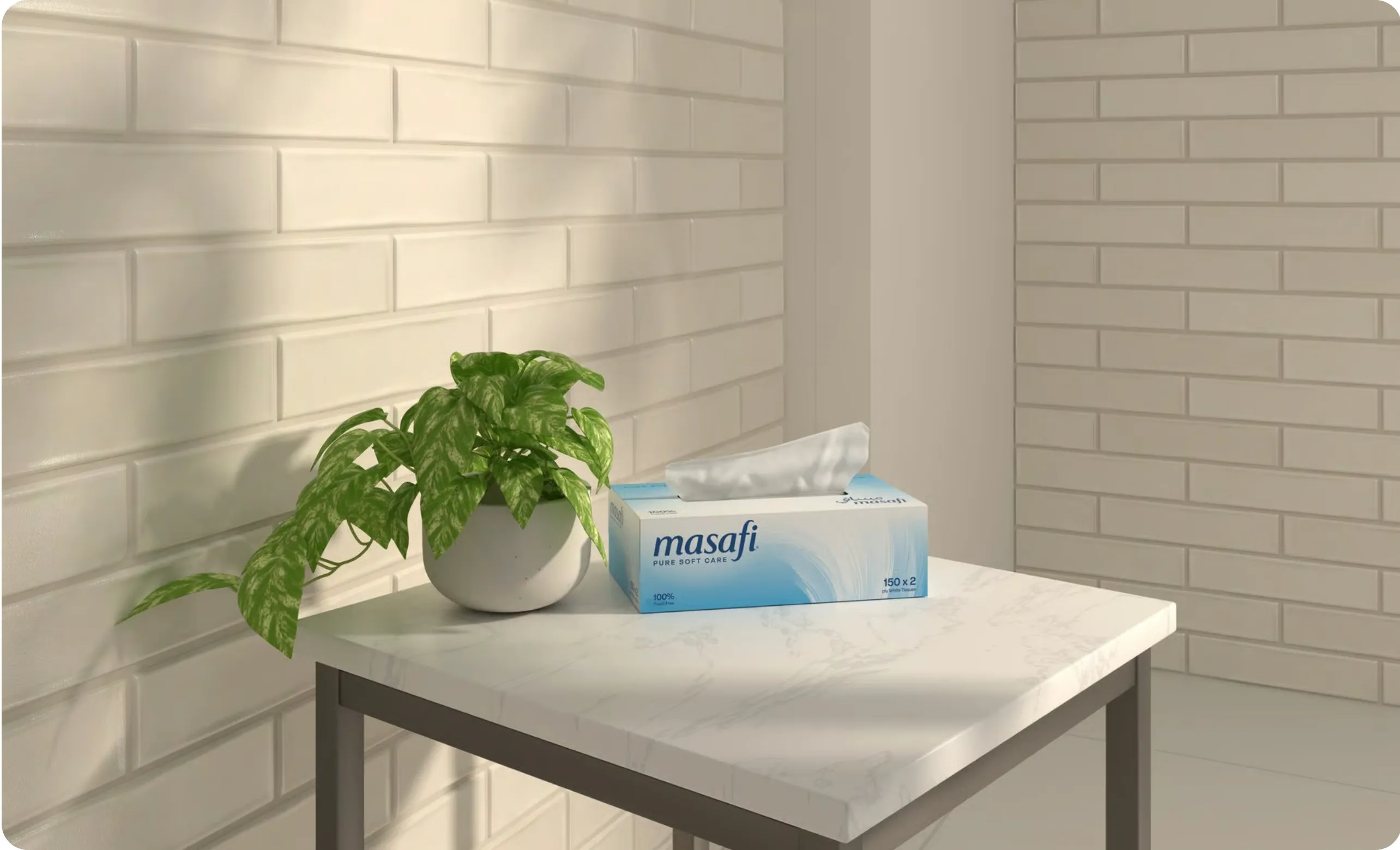
A full 3D room: glazed tiles, a marble table, window light through gobo shadows and 2-ply crepe tissue.
System · Adaptation
Build once, adapt everywhere.
The master files are the system. Every new output starts from the same true-size product, so it stays consistent across formats, languages and SKUs.
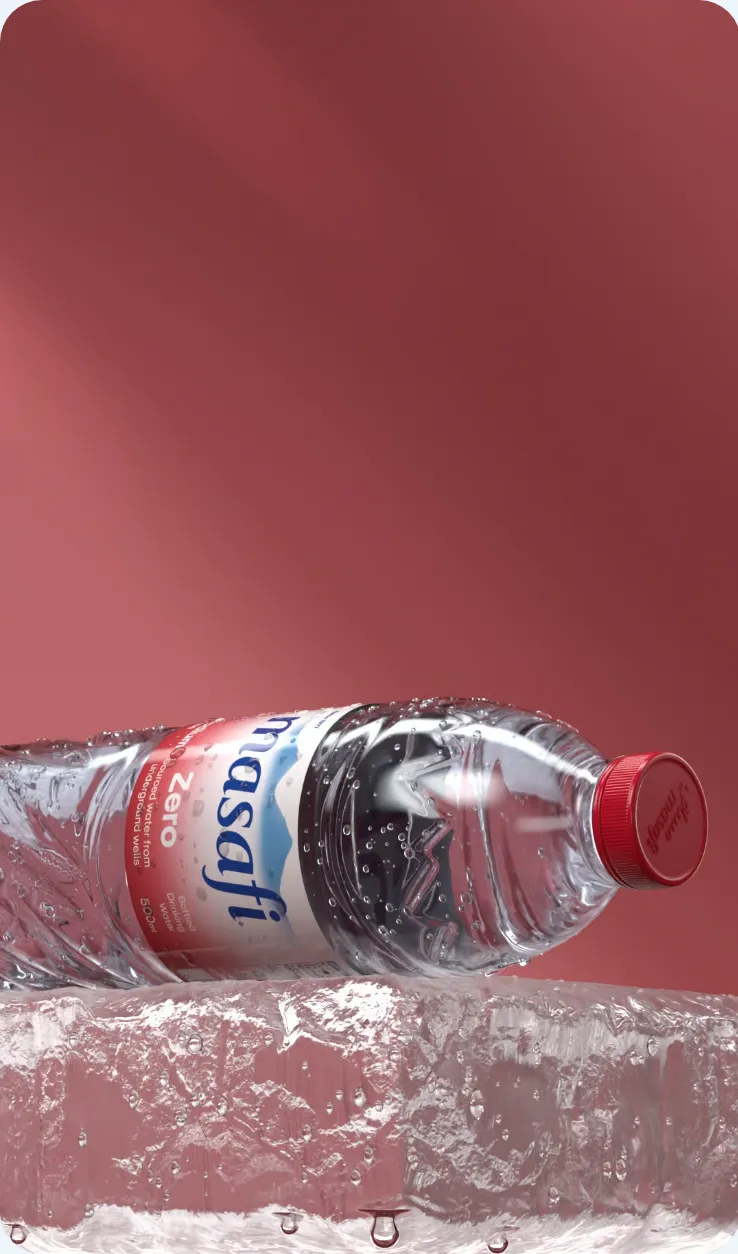
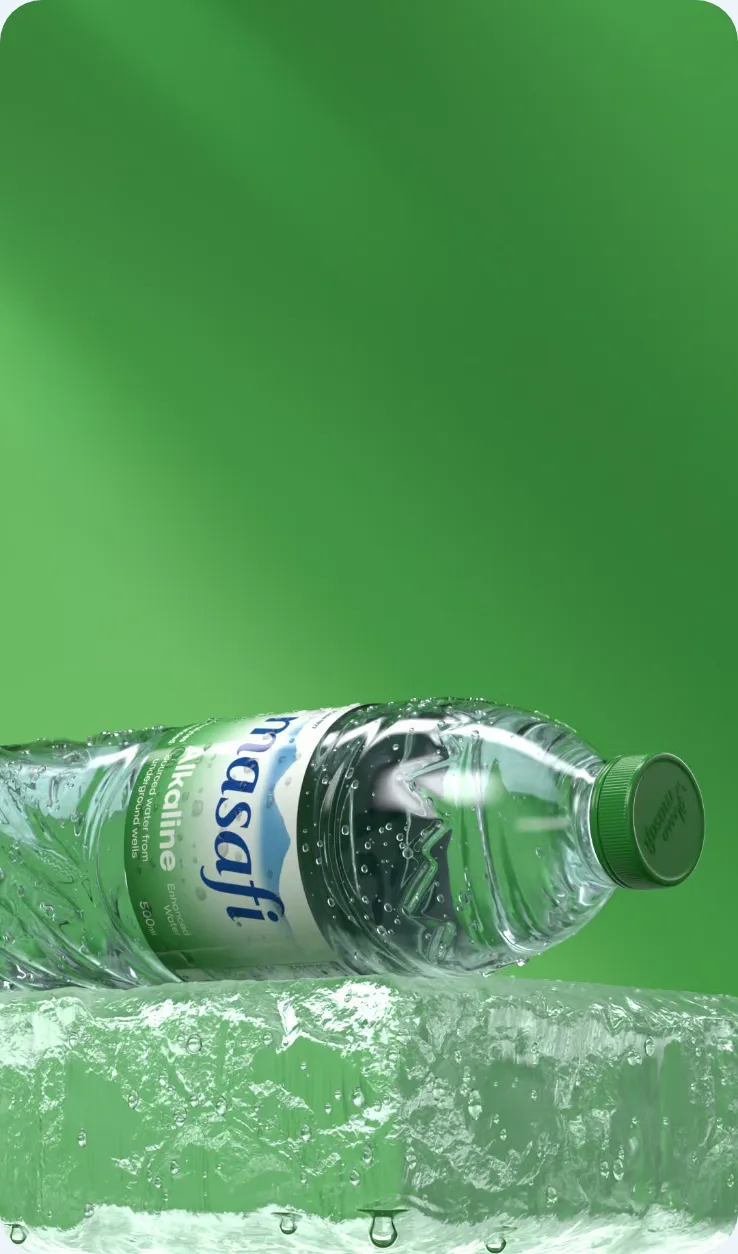
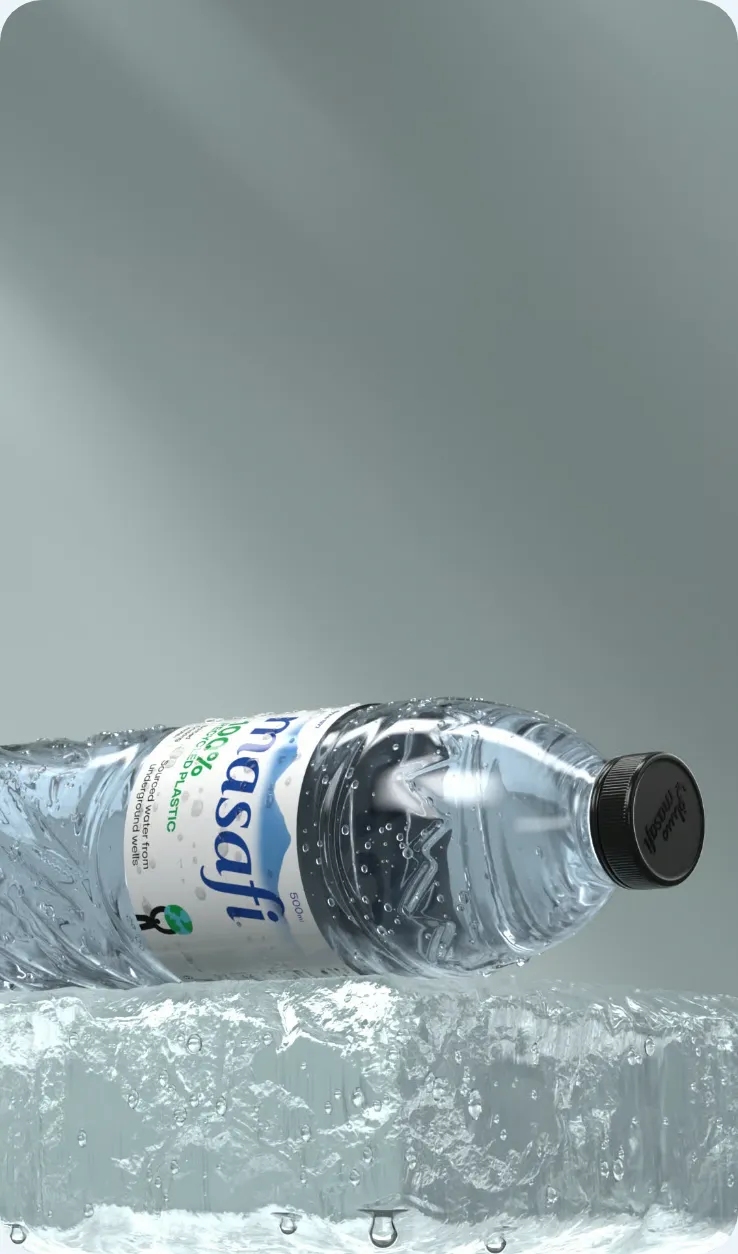
One scene, four products
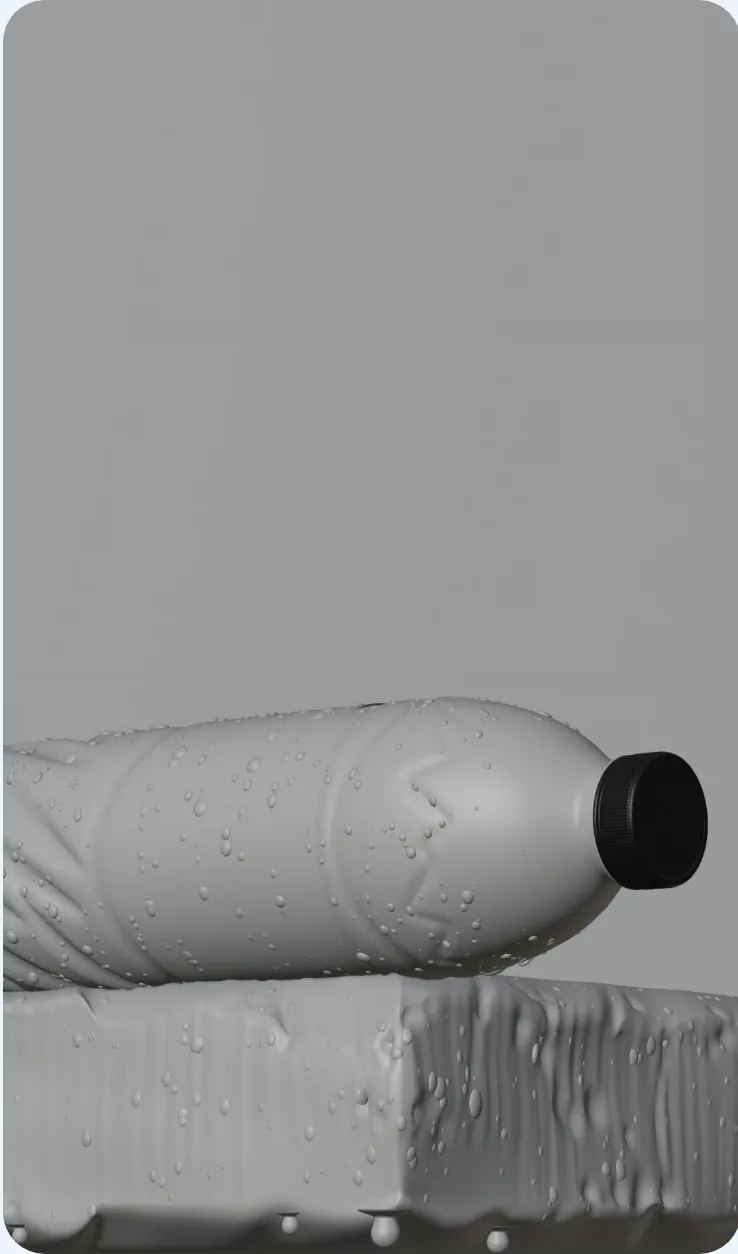
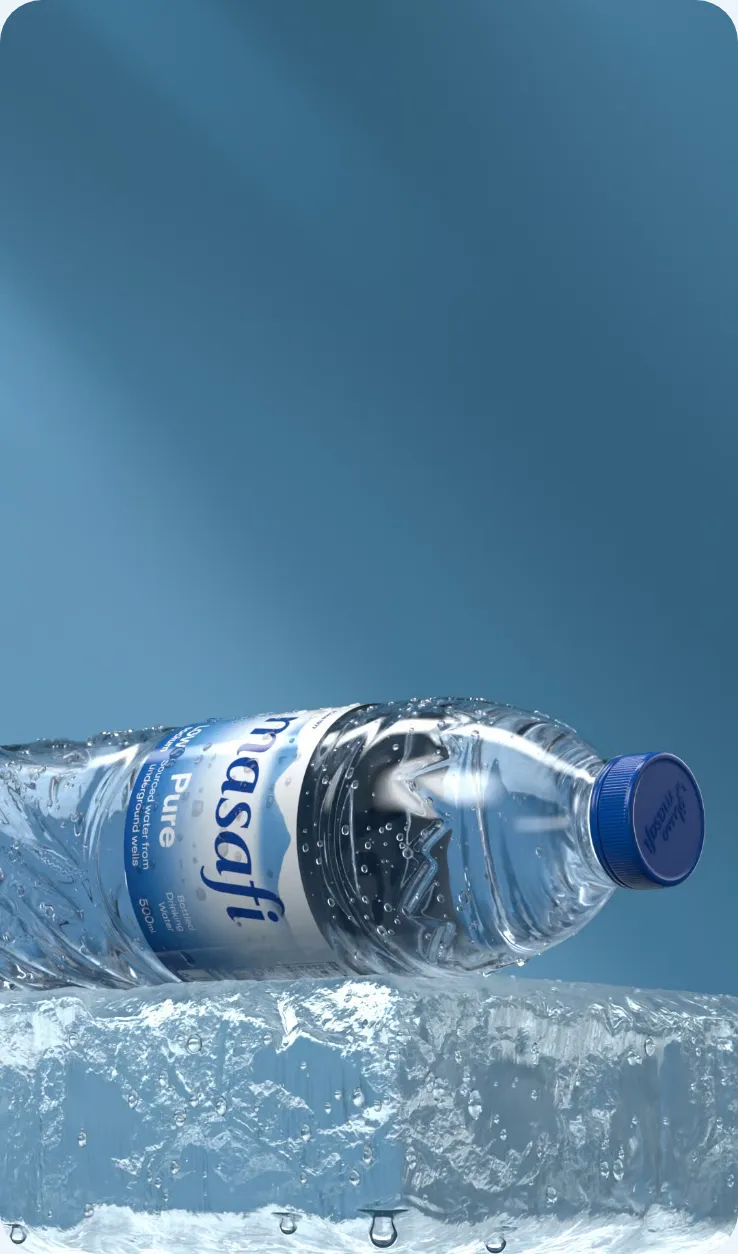
The IceCube scene, rebuilt on the 500ml master bottle, then re-rendered for PURE, ZERO, Alkaline and rPET. Each version swaps only the label and the cap colour. The camera, ice and light stay the same, so the four read as one family.
One script rendered all four back to back, about 45 seconds each at 1080 × 1920.
Truck wrap at true print scale
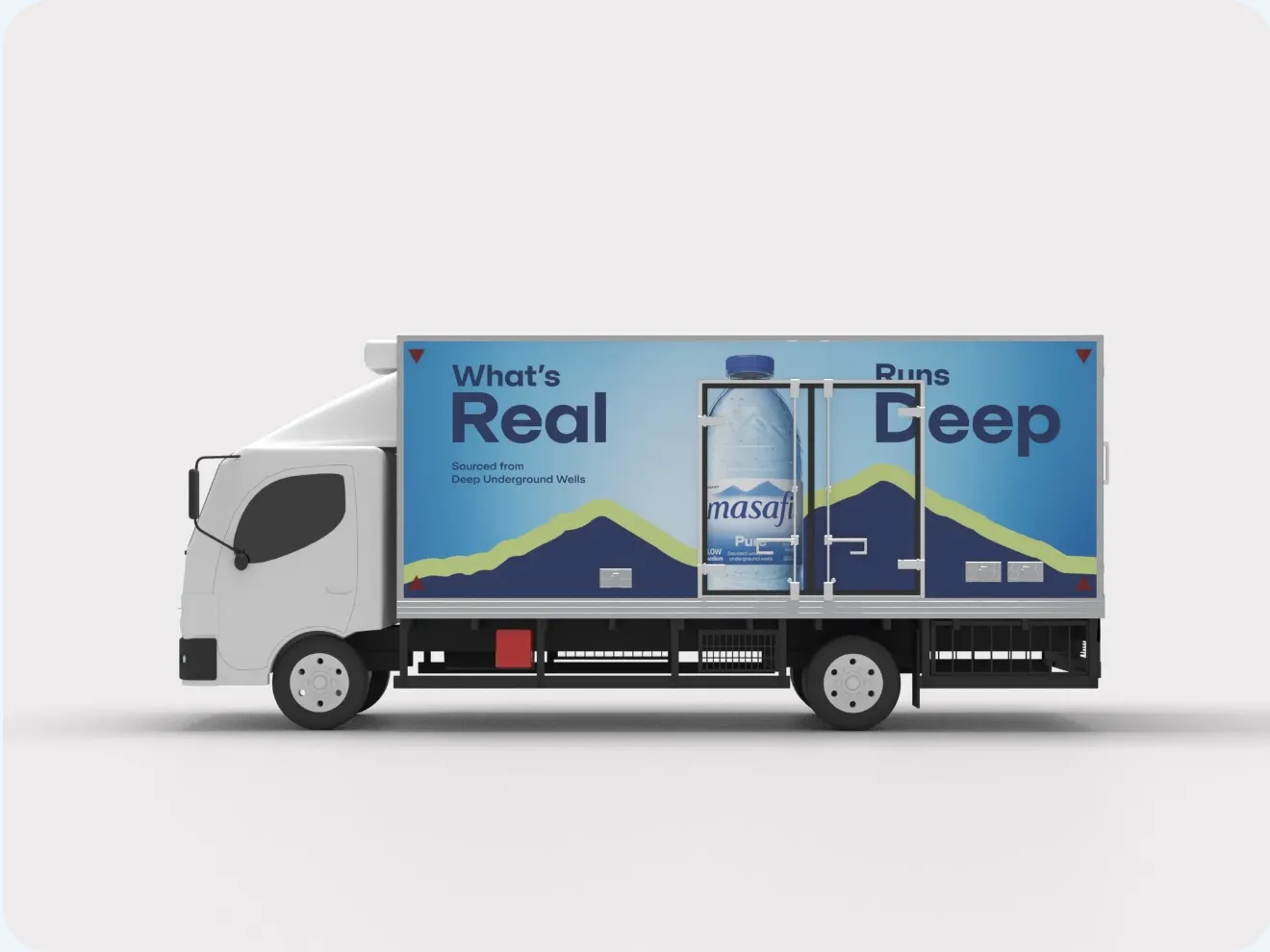
A Hino 300 box truck built from photos and the spec sheet. The left, right and back panels are mapped at print scale, so new artwork drops in with one image swap. English on one side, Arabic on the other.
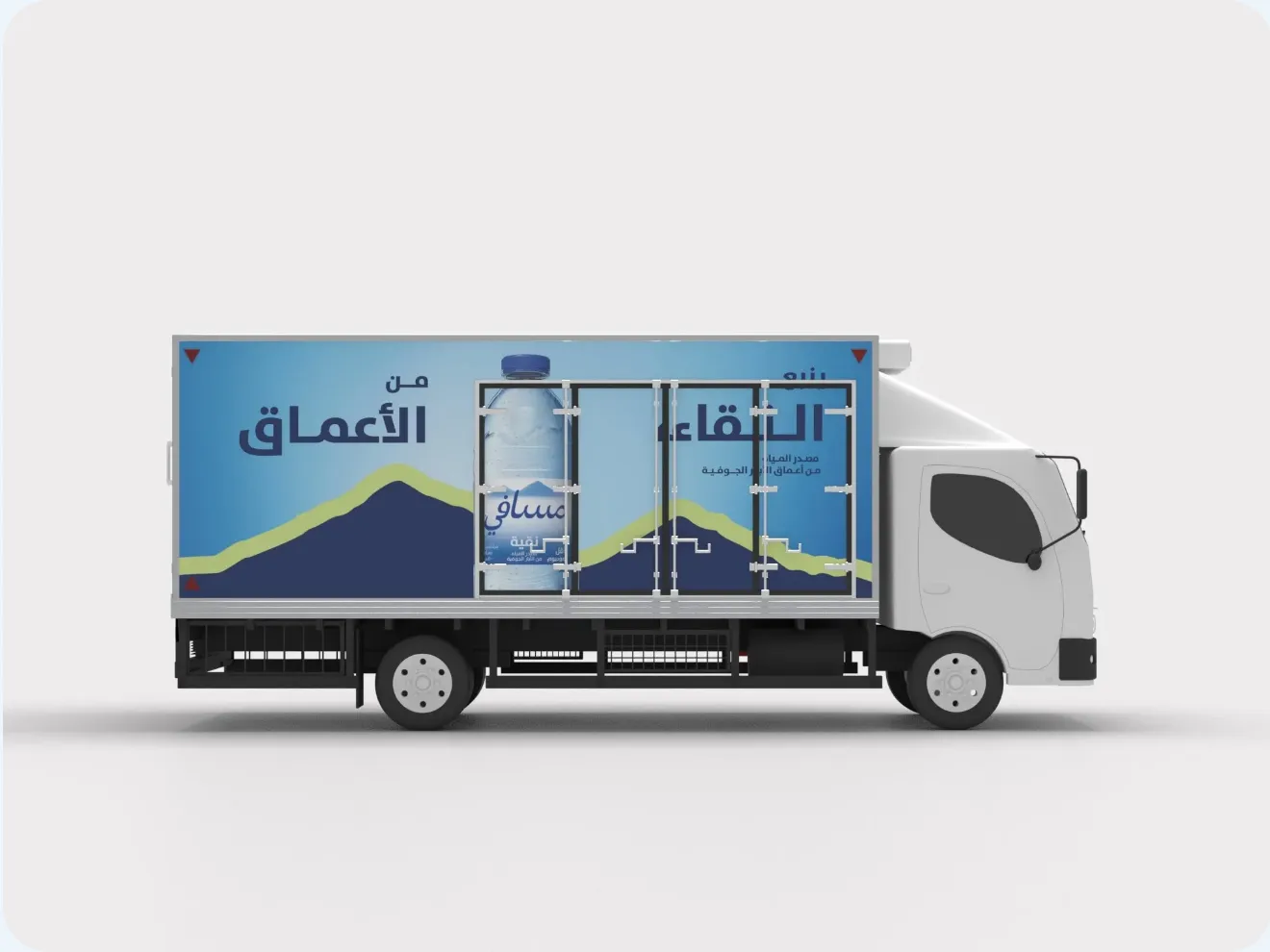
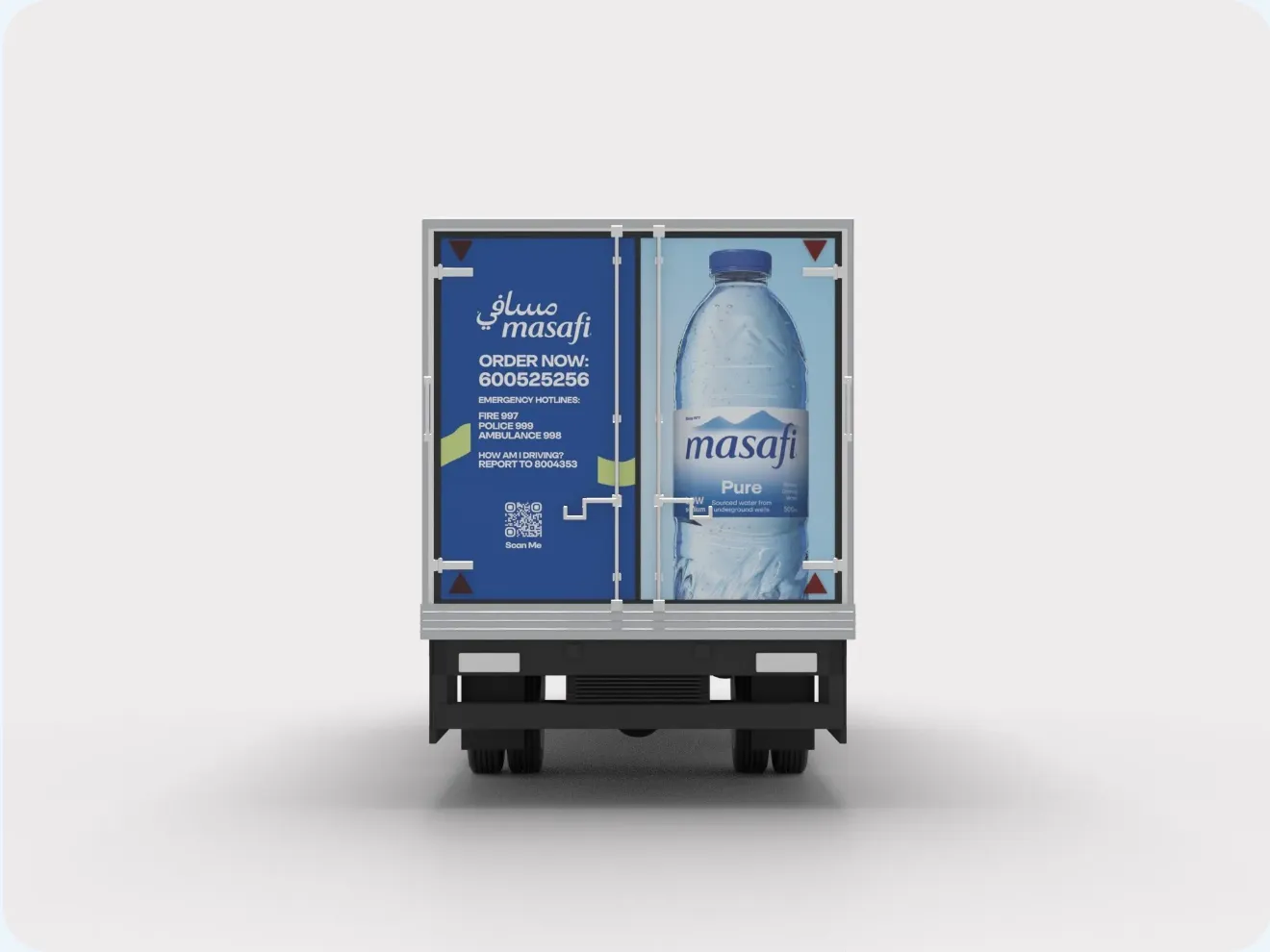
How to reuse it
Open the truck file, replace the image on the ARTWORK node, and render. One shortcut renders all three cameras.
The cab, wheels and lamps are still clay. The wrap is the point.
11 bundle SKUs on one rig
Every bundle uses the same camera, lights and front-box position, so the whole range lines up on a product grid. Each bundle was matched to the section list in Masafi’s Figma file.
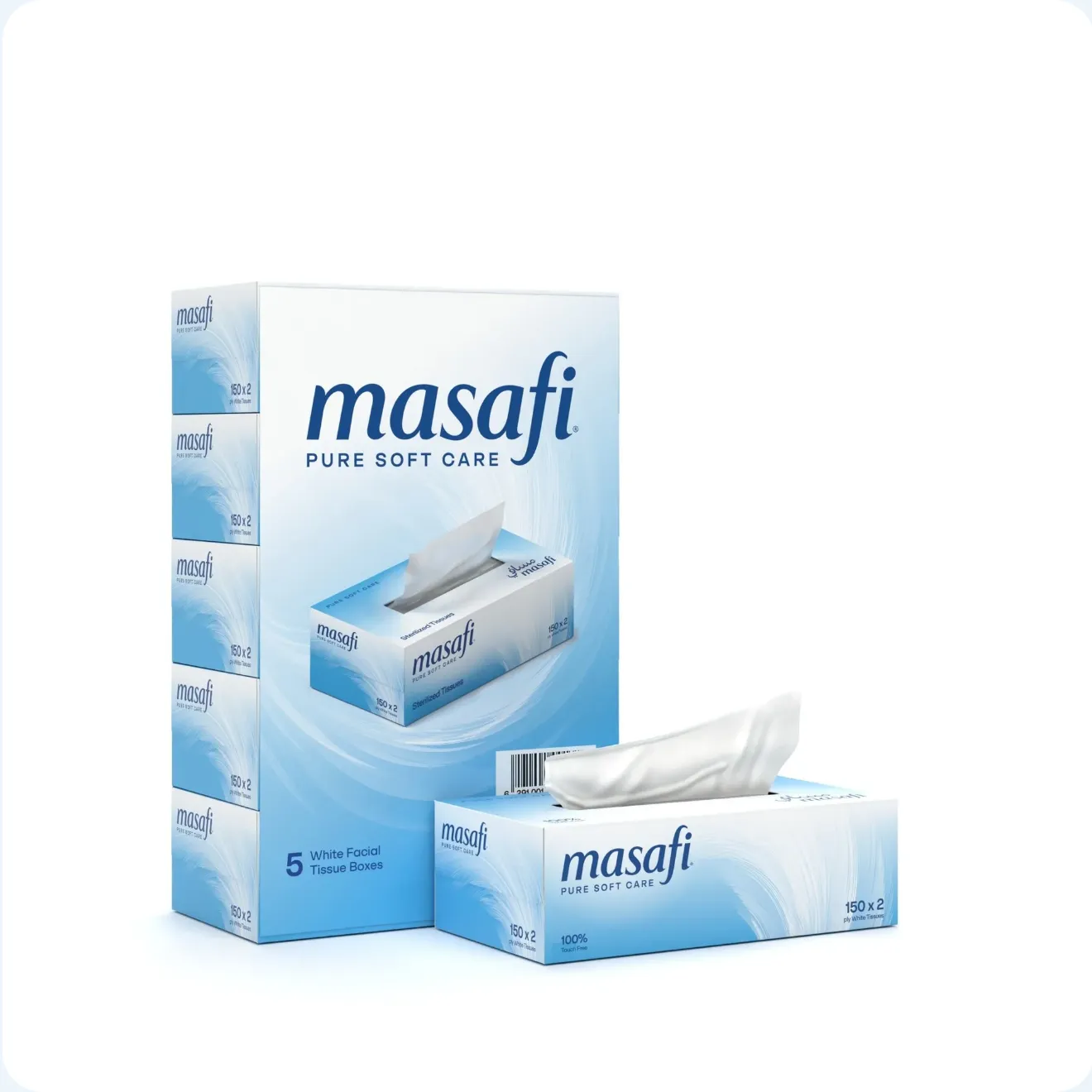
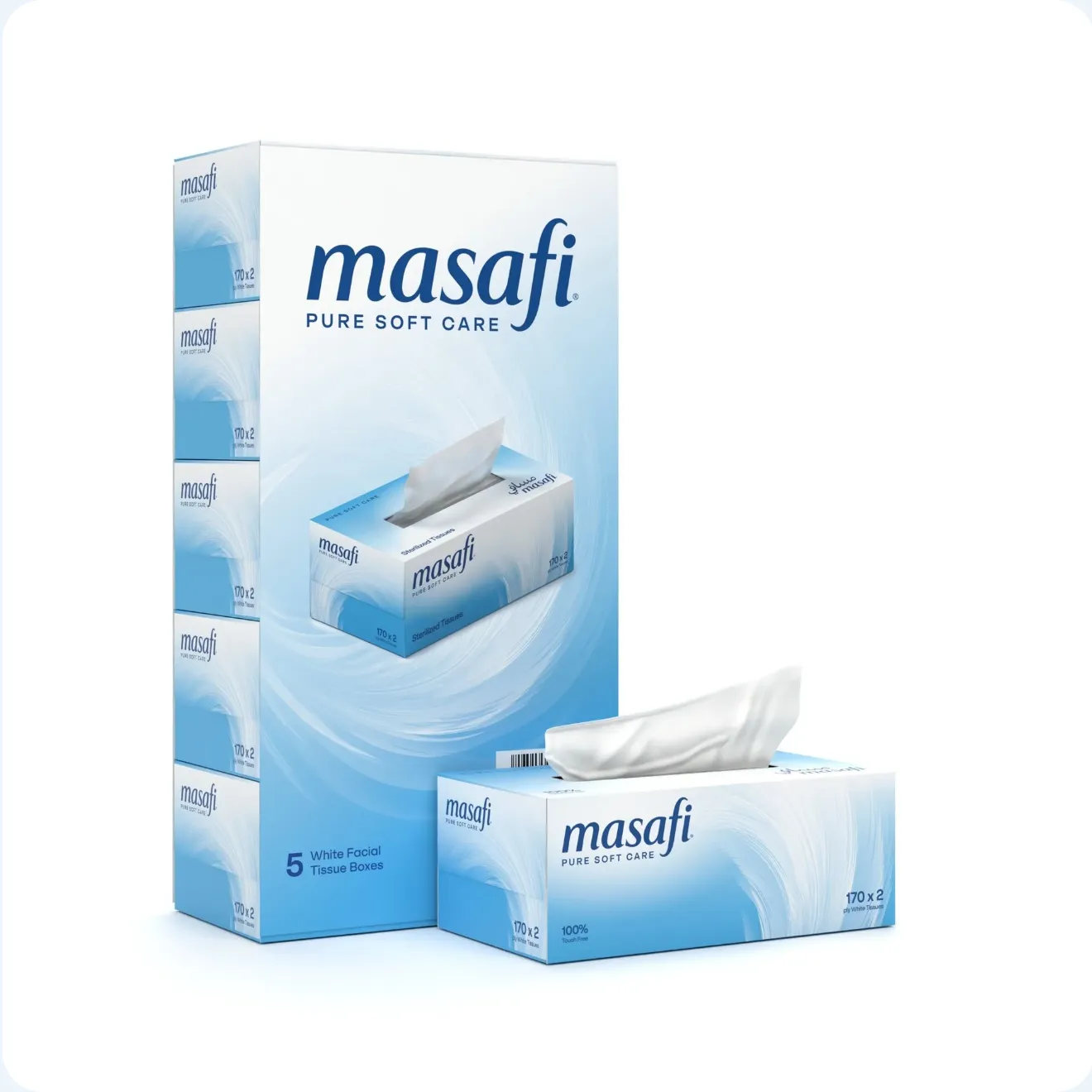
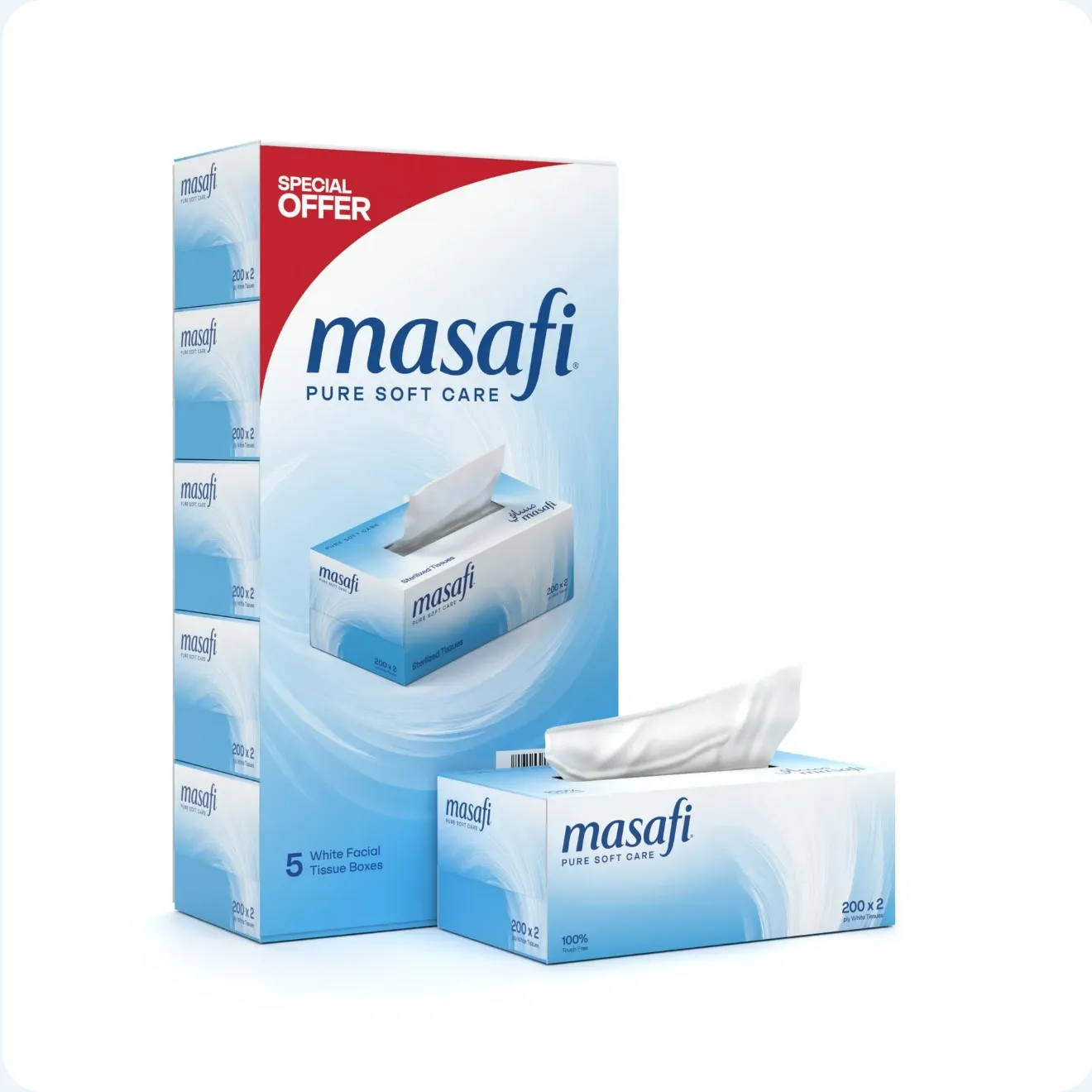
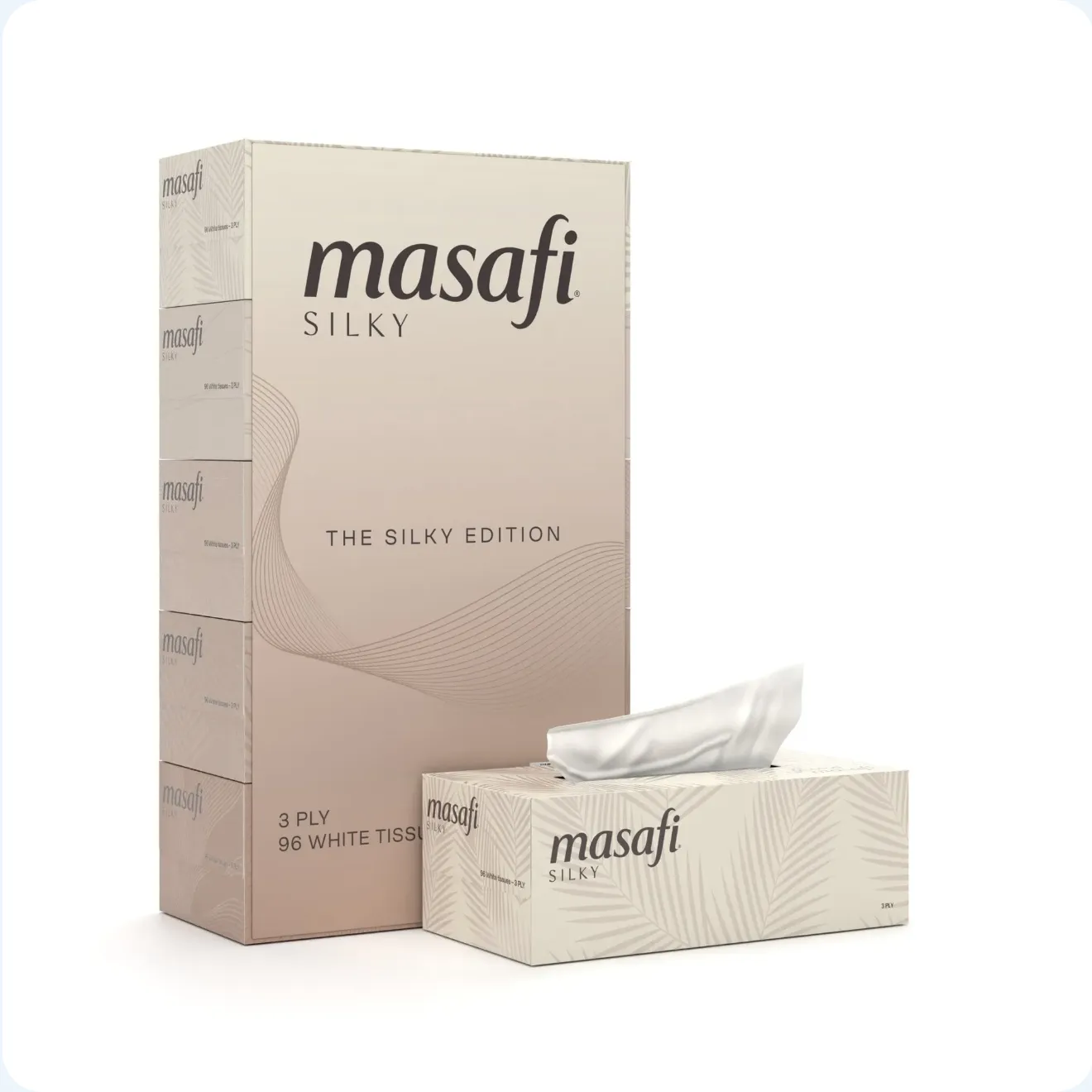
- 4bottle masters at real size: 200ml, 330ml, 500ml and 1.5L (the 4G is in progress)
- 9tissue and wipes families, each built from its dieline
- 11bundle SKUs rendered on one shared rig
- 2,160 pxrenders for every bundle and box view
In the details
Real is in the small things.
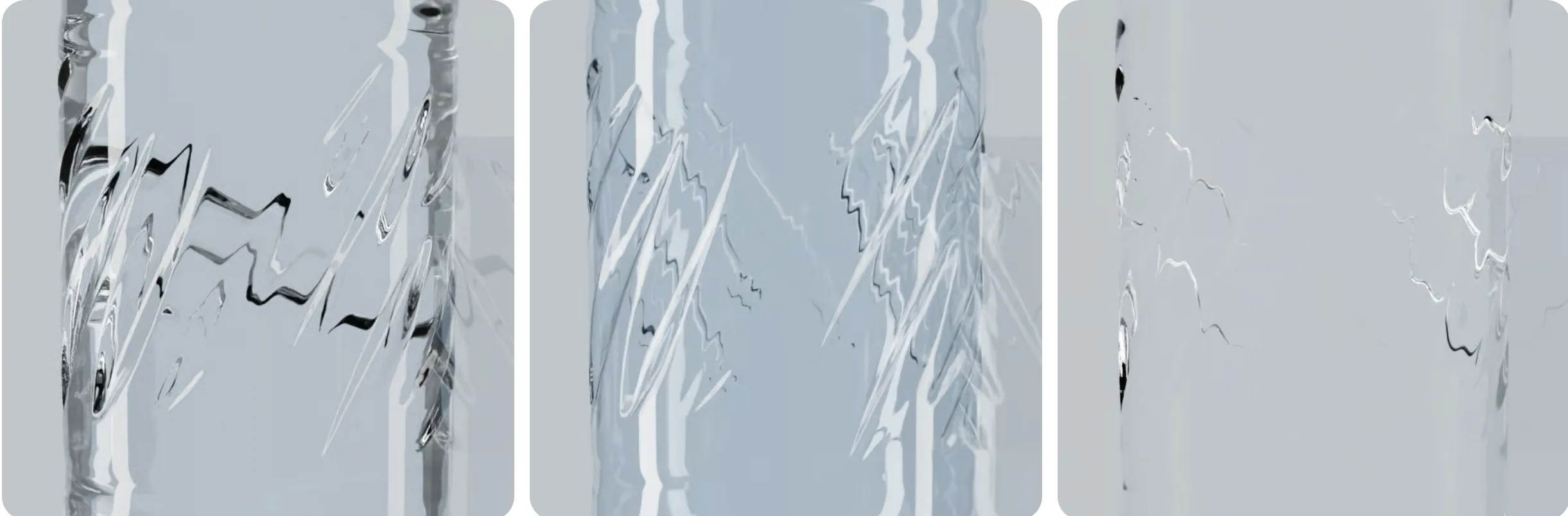
The bottle, a 0.3 mm inner wall and the water are separate, so light bends the way it does through a real bottle. The 500ml holds 499.65 ml.
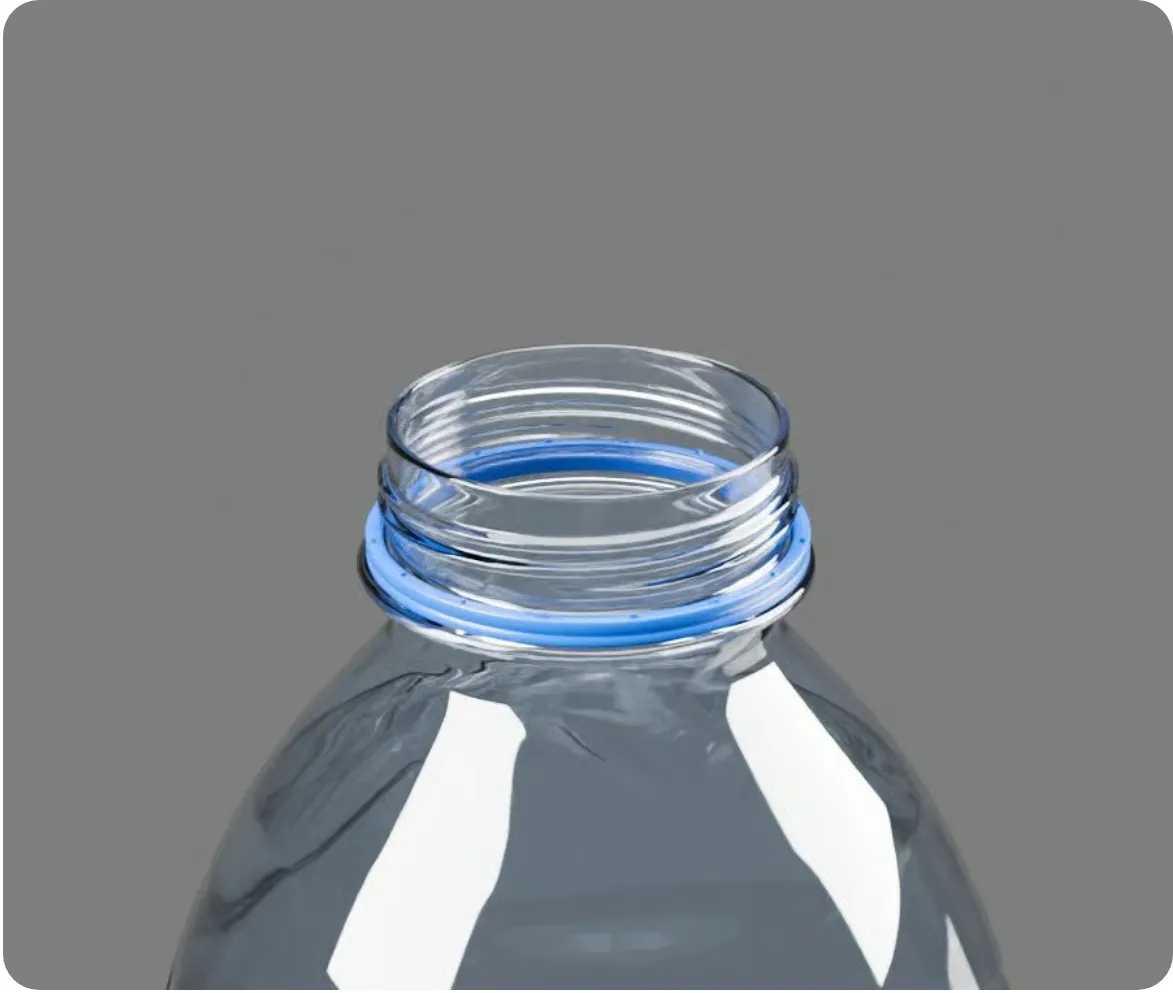
A shared two-start threaded neck, a knurled cap with a raised logo and a separate tamper band.
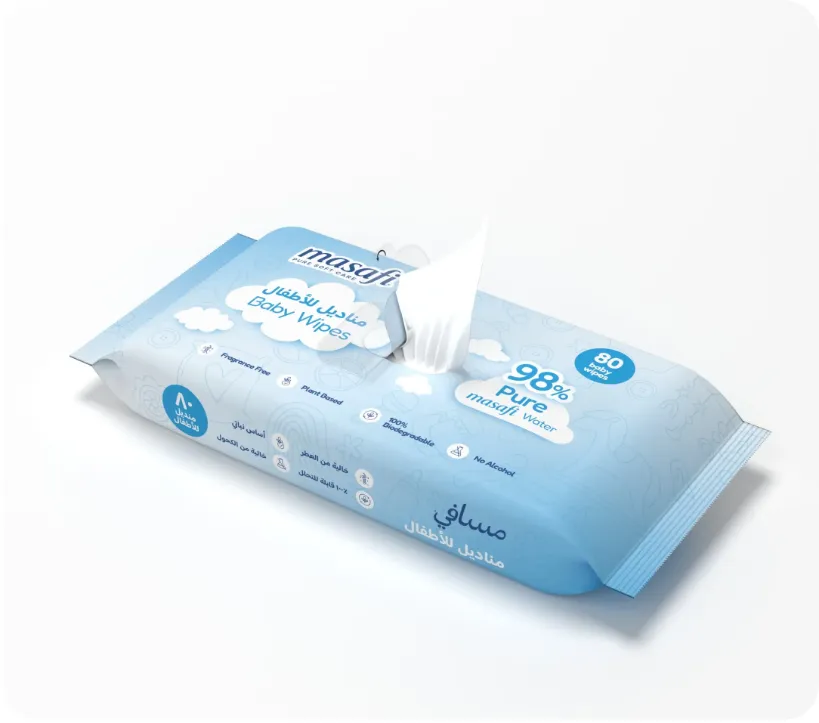
The Baby Wipes pack with its lid open and a wipe pulled through, so the pack shows how it’s used.
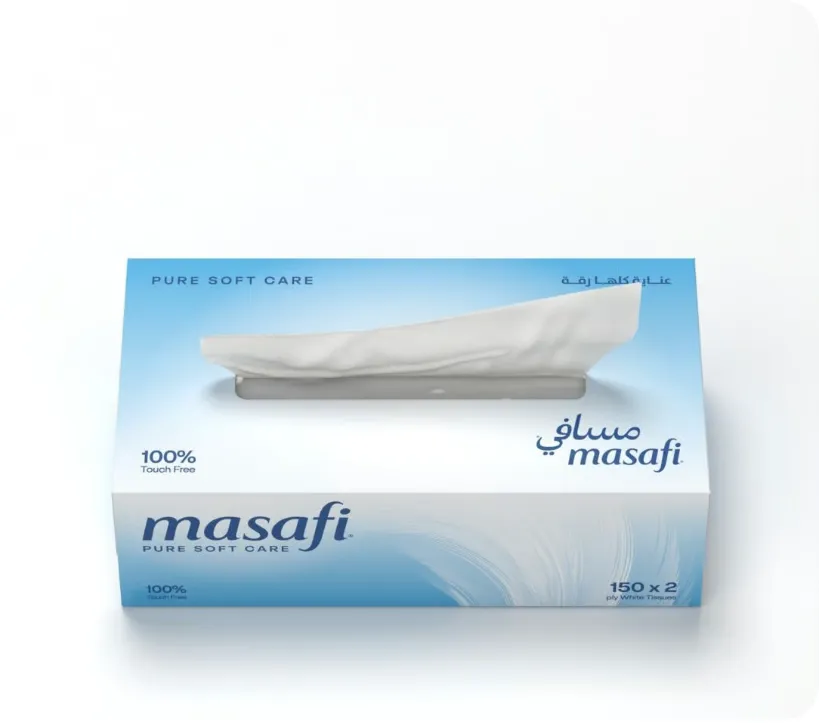
0.45 mm board with soft-fold bevels, the real flap order and the tear strip.
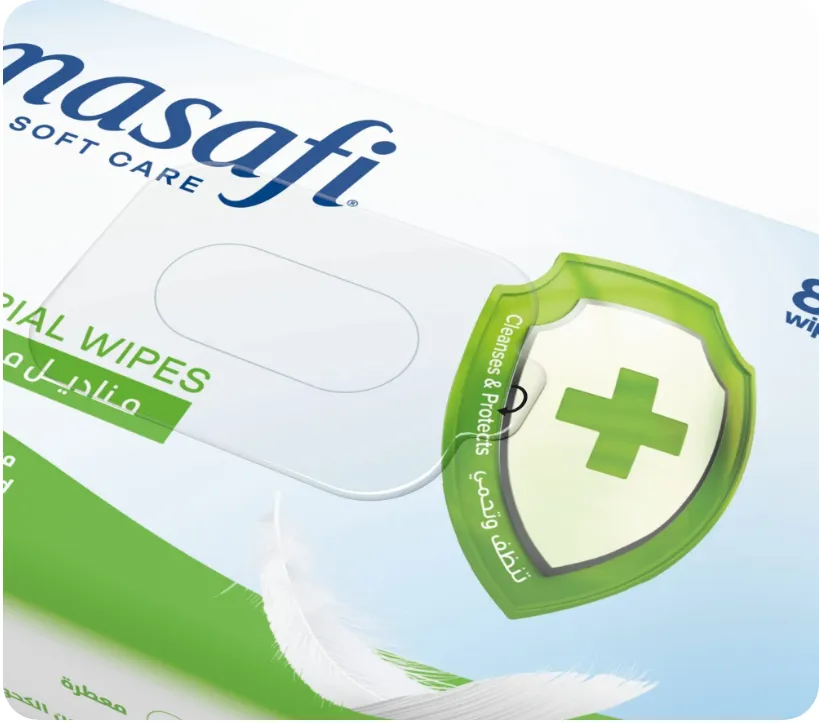
Built from the dielines, with label and seal at print scale.
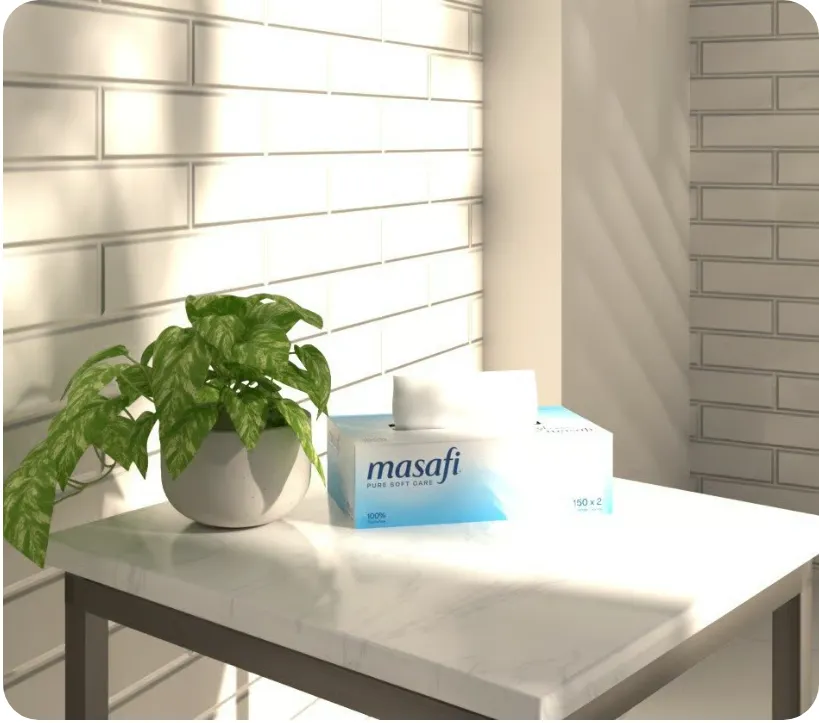
Light is matched to the reference before any materials, then I add one light at a time.
AI in the workflow
Claude wrote the scripts. I made the calls.

I worked with Claude through the Blender MCP, which lets it run Python inside Blender. It’s good at measured, repetitive work. Judging what looks real is still a designer’s job.
What Claude did
- Wrote Python inside Blender for measured, repetitive tasks
- Read cut and fold lines from the dieline PDFs
- Filled each bottle to its exact volume
- Placed thousands of bubbles and droplets
- Set up batch renders and view files for every SKU
What I did
- Art direction and every look decision
- Matched each scene to its reference, render by render
- Judged real vs. fake: highlights, caustics, contact shadows
- Cleaned the backplates in Photoshop
- Rendered the finals at 400% and signed them off
No image on this page was generated by AI. AI saved me hours of scripting. The eye for what looks real stayed with me.
Where it stands
A library I can keep building on.
- 7finished scenes
- 13product masters
- 11bundle sets
- 23.3 sfilm, final render v1
Next: the Cave Scene (1.5L), the 4G master, and the title text and end card on the film. Self-initiated work; not a commissioned campaign.